Ending LWOP
As a homicide survivor I never thought I'd be supporting a movement to end Life Without Parole (LWOP). But here I am.
I want to be clear from the start: I believe some people belong in prison. The man who killed my sister is one of them. But I also believe that for people who are fit to be integrated back into society, that they should be given the chance to do so.
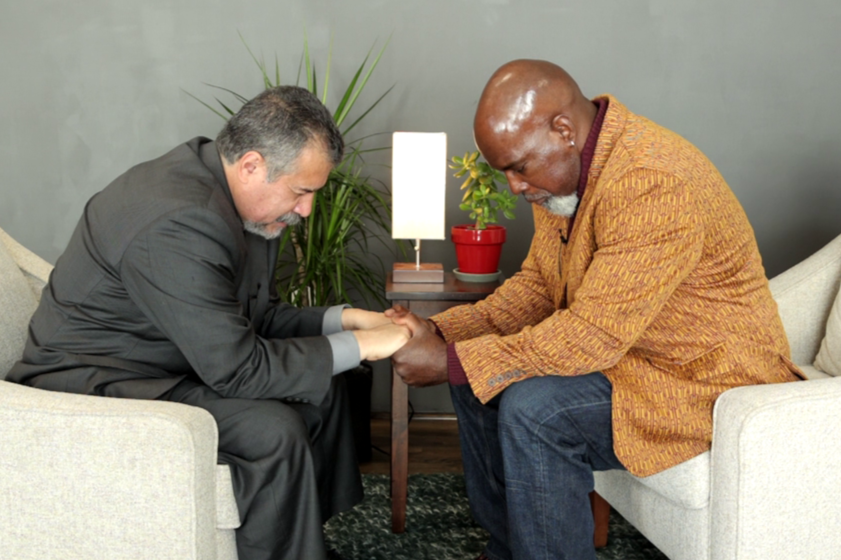
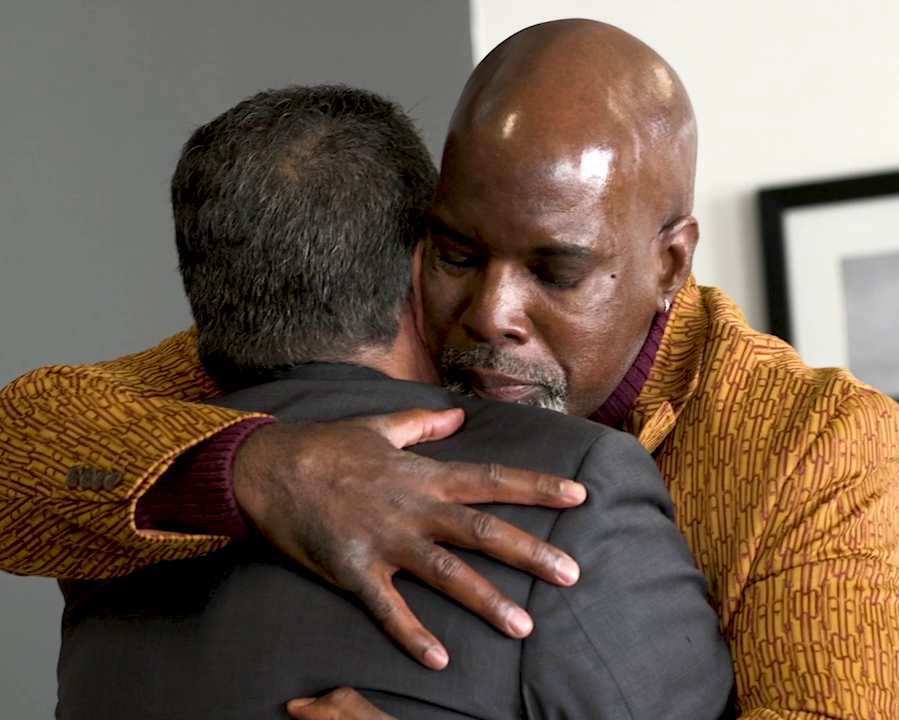
Over the past couple years I've been facilitating rehabilitation programs inside prison, and what I've seen has only deepened something I already believed: that extreme, punitive sentences don't actually serve anyone. Not the people inside, not society at large, and not even the families of victims. I've watched incarcerated men do genuinely hard work: looking directly at what they did, taking real accountability, and supporting others to do the same. They’ve rehabilitated themselves. And many of them have been inside for decades, serving life sentences with no possibility of parole. This is not justice.
The initiative I'm part of, Survivor Action For Equity (SAFE) focuses specifically on people who were 18 to 25 when they committed their crime. That age range matters because the brain — specifically the parts responsible for judgment and impulse control — isn't fully developed until around 25. It doesn't excuse what someone did, but it should change how we think about what's possible for them.
We are not saying people should be automatically released. We're saying that after a certain number of years, if someone has done the deep work of accountability, they deserve the opportunity to go before a parole board and make their case. To be reassessed by a human process. That's it. Just a chance.
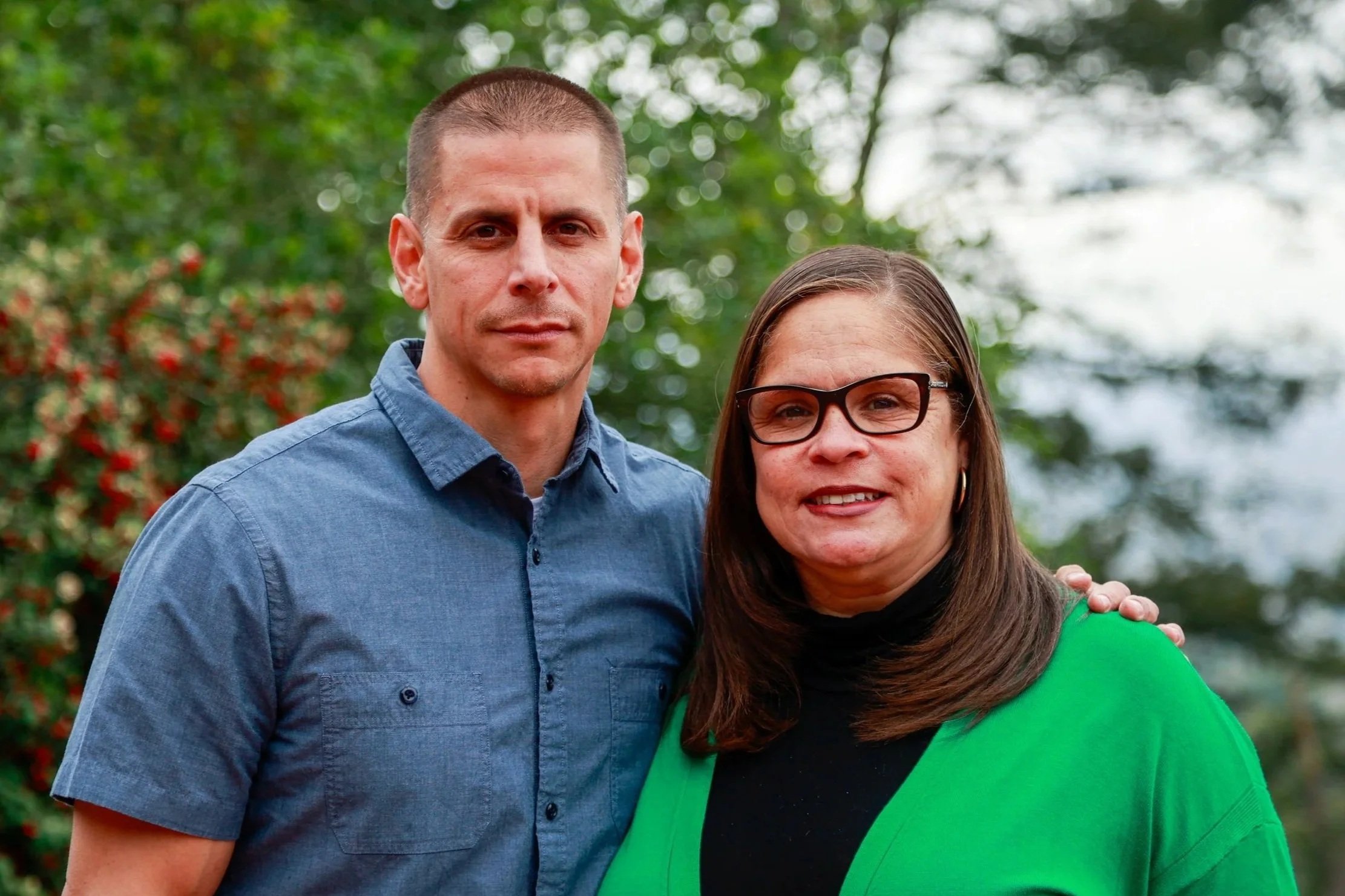
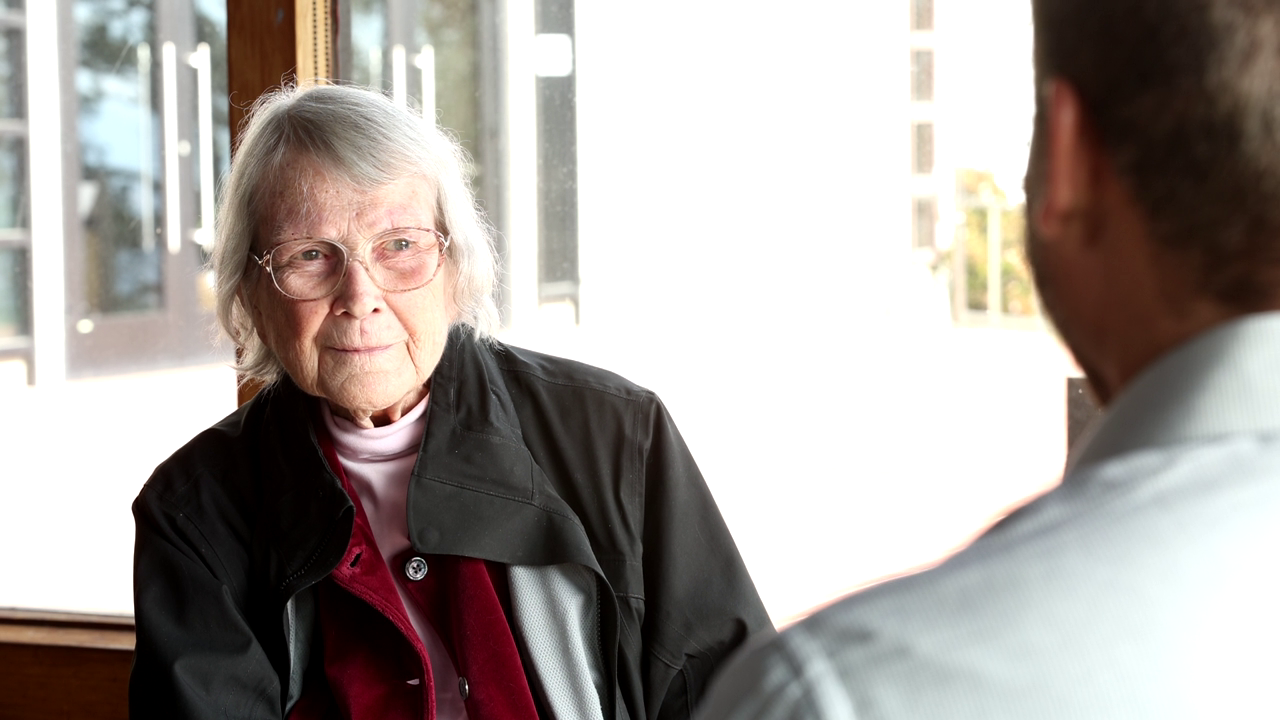
If you've lost a loved one to murder and this resonates with you, join us. Survivor Action For Equity (SAFE) is made up of people with a range of experiences and perspectives, but we share a belief in the human capacity for change — and that people who have done the genuine hard work deserve a chance to come home.